Anaerobic Digestion Process
- Home
- Anaerobic Digestion Process
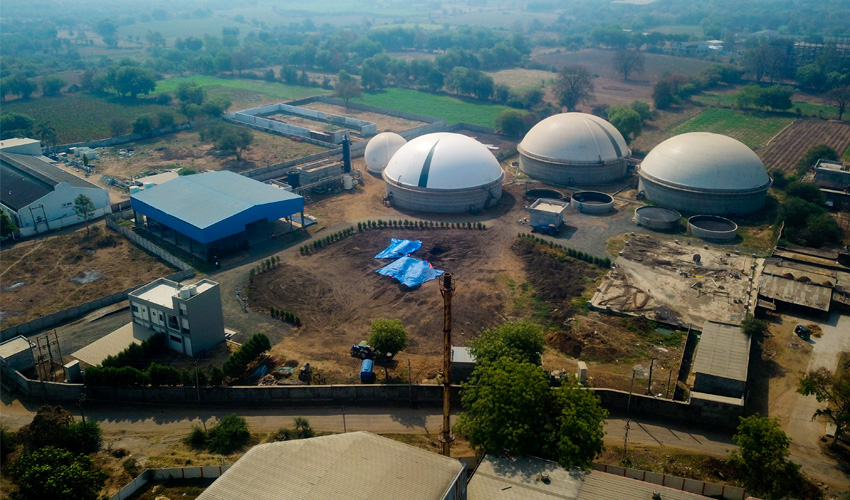
The Anaerobic Digestion Process is a biological treatment method in which microorganisms break down organic matter in the absence of oxygen. This eco-friendly and sustainable process is widely used for managing organic waste such as agricultural residues, food waste, sewage sludge, and industrial by-products.
During the process, organic material is decomposed in a sealed, oxygen-free environment called a digester. Here, naturally occurring bacteria convert complex organic compounds into simpler substances, ultimately producing biogas and nutrient-rich digestate.
Complex organic matter like carbohydrates, proteins, and fats are broken down into simpler soluble molecules.
These molecules are further converted into volatile fatty acids, along with ammonia, carbon dioxide, and hydrogen.
Intermediate products are transformed into acetic acid, carbon dioxide, and hydrogen.
Methane-producing bacteria convert these compounds into biogas, primarily composed of methane (CH₄) and carbon dioxide (CO₂).